
Why HVAC Chemicals Are Essential for System Maintenance
During long-term operation, HVAC systems will inevitably accumulate dust, grease and scale, while circulating water systems are prone to algae breeding and pipeline corrosion. Refrigeration units also face friction loss and oxidation problems.
Without regular chemical treatment, HVAC systems will suffer from reduced heat exchange efficiency, increased power consumption, frequent equipment failures and poor indoor air quality. Professional HVAC chemicals provide targeted protection and maintenance for every core link of ventilation, water circulation and refrigeration systems.
Main Types & HVAC Applications of HVAC Chemicals
1. Industrial Cleaners — Restore HVAC Heat Exchange Efficiency
HVAC industrial cleaners are professional chemical solutions specially developed for air conditioning and ventilation equipment cleaning. Different from ordinary daily detergents, industrial-grade formulas feature high-efficiency decontamination, low corrosion and high safety, suitable for deep cleaning of large HVAC equipment.
They are mainly used to remove surface grease, dust, stubborn scale, mold and sludge on condenser coils, evaporators, fan coils, air filters and duct inner walls.
Key HVAC Applications
-
Deep cleaning for central air conditioning units and heat exchange coils
-
Dust and grease removal for ventilation ducts and air handling equipment
-
Mold and bacteria removal to improve indoor air quality (IAQ)
-
Regular maintenance cleaning for shopping malls, hotels, hospitals and factory HVAC systems
Regular cleaning with industrial cleaners can effectively restore HVAC cooling and heating efficiency, reduce system load and achieve obvious energy-saving effects.
2. Water Treatment Agents — Stabilize Circulating Water System
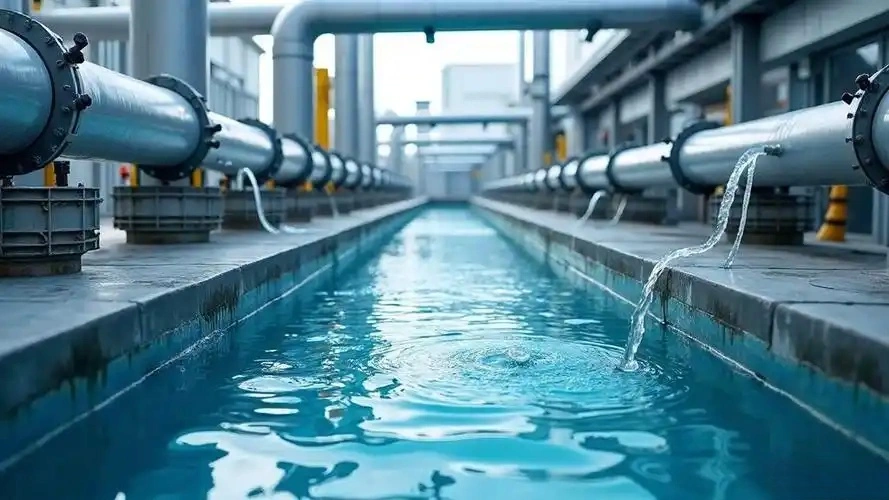
Most central air conditioning and cooling tower systems rely on circulating water for heat exchange. Long-term water circulation leads to calcium and magnesium scaling, pipeline rusting, algae proliferation and bacterial slime accumulation, which block pipelines and seriously reduce heat exchange efficiency.
HVAC water treatment agents include scale inhibitors, corrosion inhibitors, algaecides, bactericides and descaling agents. They can purify circulating water quality in an all-round way and form a protective layer on the inner wall of metal pipelines.
Key HVAC Applications
-
Anti-scaling and anti-corrosion protection for chiller circulating water systems
-
Algae and bacterial control for cooling towers and open water circulation systems
-
Pipeline cleaning and maintenance for large commercial building HVAC water systems
-
Stabilize water pressure and heat exchange efficiency to avoid equipment shutdown failure
Water treatment chemicals are the most cost-effective maintenance method to ensure the long-term operation of water-cooled HVAC systems.
3. Refrigeration Oil — Protect Refrigeration Compressor System
Refrigeration oil is a special lubricating chemical for HVAC refrigeration systems, serving as the core consumable for compressors. Different from ordinary mechanical oil, refrigeration oil has excellent low-temperature fluidity, refrigerant compatibility and oxidation resistance.
It plays multiple key functions including internal lubrication, friction reduction, sealing, noise reduction and heat dissipation of refrigeration compressors, effectively preventing compressor abrasion, carbon deposition and system blockage.
Key HVAC Applications
-
Lubrication protection for central air conditioning compressors
-
Matching maintenance for chillers, heat pumps and industrial refrigeration units
-
Adapt to various environmental refrigerants such as R134a, R410A, R32
-
Prevent refrigerant system aging and extend compressor service life
Core Benefits of Using Professional HVAC Chemicals
-
Energy Saving & Efficiency Improvement: Eliminate scaling and dirt resistance, restore HVAC original heat exchange efficiency, and reduce electricity consumption
-
Equipment Protection: Anti-corrosion, anti-rust and anti-oxidation protection for pipelines and compressors
-
Cost Reduction: Reduce equipment failure rate and avoid expensive replacement and overhaul costs
-
Air Quality Optimization: Inhibit mold and bacteria growth to meet modern building ventilation hygiene standards
-
Stable System Operation: Ensure continuous and efficient operation of HVAC refrigeration, water circulation and ventilation systems
Why Choose Our HVAC Chemicals for Your Projects?
-
Full-Series Product Coverage: Complete range of industrial cleaners, water treatment agents and refrigeration oil for one-stop HVAC maintenance procurement
-
Industrial-Grade Safe Formula: Low corrosion, high efficiency and environmental protection, compliant with international HVAC maintenance standards
-
Strong Compatibility: Suitable for most mainstream HVAC equipment, refrigerants and water circulation systems
-
Customized Service: Support customized packaging and formula solutions for engineering projects and bulk wholesale
-
Factory Direct Supply: Stable inventory, fast delivery and professional technical guidance for global buyers
Final Thoughts
HVAC chemicals are the invisible guarantee for efficient, energy-saving and long-life operation of air conditioning and ventilation systems. Reasonable matching of cleaning chemicals, water treatment agents and refrigeration oil can maximize HVAC system performance and create greater value for building operation and maintenance.