
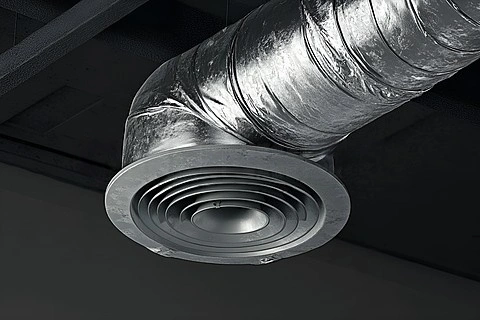
What is Stainless Steel Double-Layer Insulated Chimney & Duct?
The double-layer insulated chimney duct is a prefabricated modular flue system:
-
Inner liner: SUS304 or SUS316 / 316L stainless steel. Direct contact with hot flue gas, acid and condensate resistant, suitable for gas, oil, pellet, wood and biomass combustion exhaust.
-
Insulation core: High-density mineral wool or ceramic wool, low thermal conductivity, stable at continuous high temperature.
-
Outer casing: SUS304 stainless steel, mechanical protection, keeps exterior surface temperature low.
-
Connection method: Spigot & socket or twist-lock assembly, leak-tight sealing, quick on-site installation.
-
Shape options: Round standard chimney pipes, custom rectangular insulated duct for industrial HVAC high-temperature exhaust.
Key Advantages vs Single-Wall Flue Pipe
- Higher installation safety Low outer surface temperature, smaller required clearance to combustible building materials. Reduces fire risk for internal shaft, ceiling and wall penetration works.
- Anti-condensation & anti-corrosion Retains flue temperature above dew point, minimizing condensate and acidic liquid formation. Extends service life significantly, especially for condensing boilers and biomass systems.
- Stable draft & higher combustion efficiency Less heat loss → stronger natural draft. Burners, wood stoves and boilers operate more steadily with lower emission.
- Modular & fast assembly Pre-fabricated straight sections, elbows, tees, supports, rain caps and wall penetration kits. Less on-site welding, cuts labor and construction time.
- Weatherproof & long service life Full stainless steel construction resists rain, humidity and outdoor UV exposure. Suitable for rooftop vertical chimney runs.
- Flexible custom sizes Round standard diameters + custom rectangular insulated duct for industrial high-temperature ventilation, generator exhaust and process exhaust systems.
Main Application Scenarios
1. Residential & Light Commercial Heating
Wood stoves, pellet stoves, fireplaces, gas boilers and oil-fired heating systems in villas, townhouses, lodges and resorts.
-
Vertical chimney runs through wooden roof structures
-
Small footprint, safe clearance for combustible walls
2. Commercial Boilers & District Heating
Gas / oil / biomass boilers in hotels, hospitals, schools, shopping malls and apartment blocks.
-
Multi-story service shaft flue routing
-
Condensing boiler exhaust, acid-resistant SUS316L liner recommended
3. Generator & Cogeneration (CHP) Exhaust
Standby diesel / gas generator exhaust for data centers, hospitals, telecom base stations.
-
Continuous high-temperature exhaust
-
Insulation protects surrounding cables and fire compartment materials
4. Industrial High-Temperature Process Exhaust
Factory ovens, bakery kilns, drying lines, incinerator secondary flue and industrial HVAC hot air ducting. Custom rectangular double-layer insulated duct is widely used for large airflow industrial exhaust.
5. Marine & Offshore, Pool & Sauna Facilities
High humidity and corrosive vapor environments. SUS316 inner liner offers superior resistance against chloride and moist corrosive gas.
Material Selection Guide for Your Project
| Liner Material | Best For | Notes |
|---|---|---|
| SUS304 | Gas boiler, wood pellet stove, dry flue | Standard residential & commercial, cost-effective |
| SUS316 / 316L | Condensing boiler, biomass, marine, acidic condensate | Higher acid & chloride corrosion resistance |
Conclusion
Stainless steel double-layer insulated chimney and twin-wall duct is a versatile modular flue solution for heating boilers, stoves, generators and industrial high-temperature exhaust. Its stainless liner, high-performance insulation and cool outer surface balance safety, durability and thermal efficiency. It reduces condensation risk and simplifies installation in residential, commercial and industrial projects worldwide.