
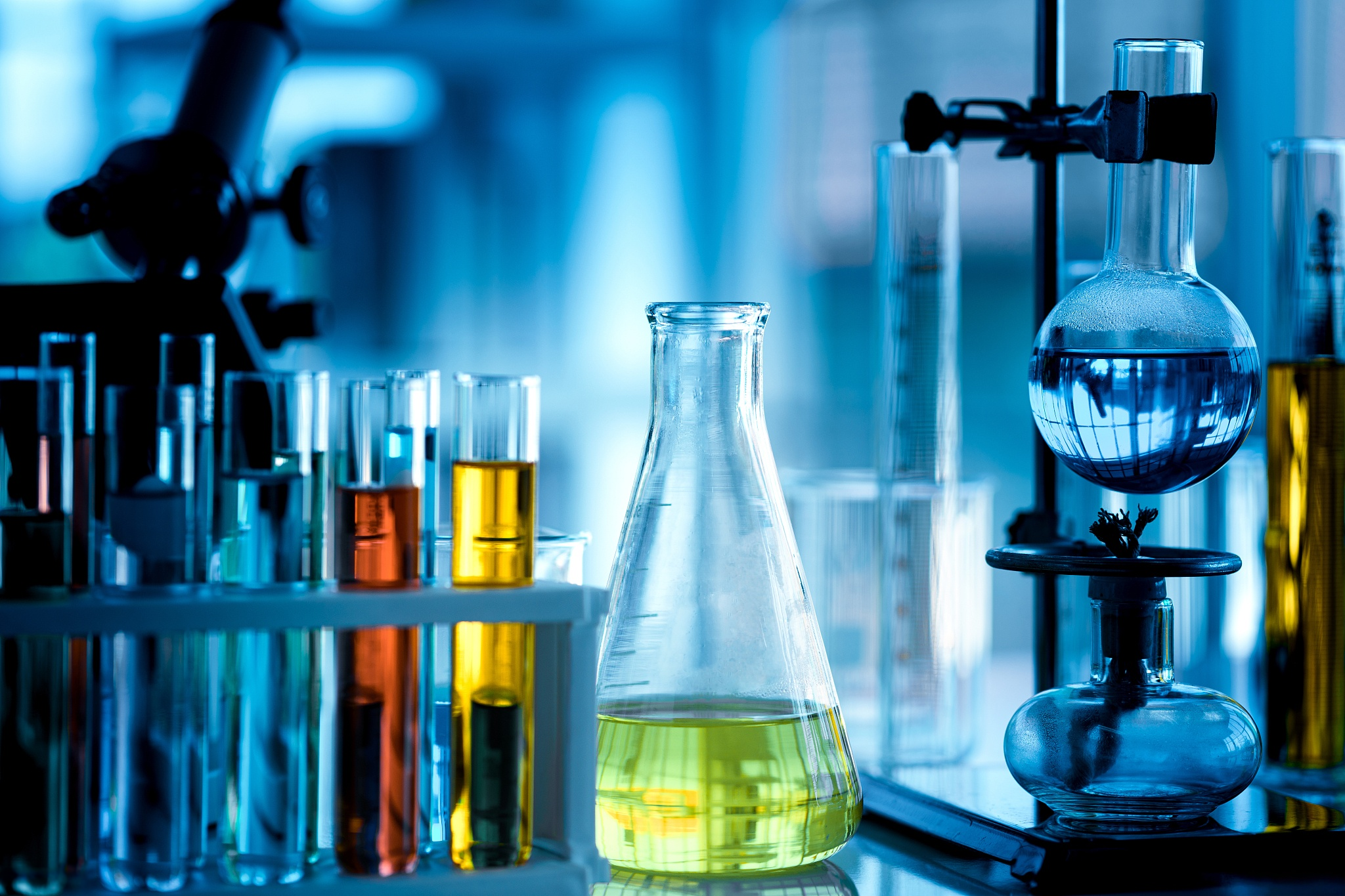
A cooling tower is the backbone of industrial process cooling and commercial HVAC systems. It dissipates heat through water evaporation, ensuring chillers, production machines, and building systems operate at stable temperatures. However, circulating cooling water accumulates minerals, dust, bacteria, and organic matter over time. Without professional water treatment, cooling towers face severe scaling, corrosion, algae outbreaks, and biological contamination.
Poor water treatment not only reduces heat exchange efficiency and increases power consumption but also triggers equipment damage and health hazards. For B2B buyers, factory operators, and HVAC service providers, mastering standard cooling tower water treatment chemicals and standardized best practices is critical for long-term system reliability. In this blog, we break down core chemical solutions and industry-approved operational guidelines.
Why Cooling Tower Water Treatment Is Indispensable
Cooling tower water runs in a closed or open circulating loop with continuous evaporation and concentration. As water evaporates, calcium, magnesium, and other hardness ions concentrate rapidly, together with suspended solids, airborne pollutants, and microorganisms. The main risks of untreated cooling water include:
-
Scale formation: Hard mineral deposits adhere to pipe walls and heat exchangers, reducing heat transfer efficiency and raising energy costs by 15%–30%.
-
Metal corrosion: Acidic water, dissolved oxygen, and microbial metabolites corrode carbon steel, copper, and galvanized components, causing pipeline leakage and equipment failure.
-
Microbial contamination: Algae, slime, and bacteria (including Legionella) breed rapidly in warm cooling water, posing public health risks and blocking water flow.
-
Frequent system downtime: Scaling and sludge accumulation lead to reduced water flow, overheating, and frequent manual cleaning, increasing operational and maintenance costs.
Common Cooling Tower Water Treatment Chemicals
Professional cooling tower water treatment relies on targeted chemical dosing. Different chemicals solve specific water quality problems. The four core chemical categories are widely adopted in global industrial and commercial cooling systems.
1. Scale Inhibitors
Scale inhibitors are the most fundamental chemicals for cooling tower water treatment. They prevent the crystallization and deposition of calcium carbonate, calcium sulfate, and magnesium hardness minerals under high-temperature and high-concentration conditions.
Key functions: Disturb mineral crystal structures, prevent hard scale adhesion, and keep pipeline and heat exchanger surfaces clean. Effective scale inhibitors significantly reduce heat loss and maintain long-term cooling efficiency.
Application scenario: Suitable for high-hardness water, high-temperature cooling towers, and systems prone to frequent scaling.
2. Corrosion Inhibitors
Cooling tower systems consist of mixed metal materials, including steel pipes, copper tubes, and metal fillers. Corrosion inhibitors form a dense protective chemical film on metal surfaces to isolate water, oxygen, and corrosive ions.
Key functions: Prevent oxidative corrosion, pitting corrosion, and galvanic corrosion; extend the service life of cooling towers, pipelines, and chillers.
Main types: Organic corrosion inhibitors, composite multi-purpose inhibitors, and low-phosphorus environmentally friendly formulas that meet international discharge standards.
3. Biocides
Warm, humid, and nutrient-rich cooling tower environments are ideal for microbial reproduction. Biocides are designed to eliminate bacteria, algae, fungi, and slime-forming microorganisms.
Key functions: Control Legionella and harmful bacteria, prevent slime accumulation, avoid biological mud blockage, and comply with health and safety regulations.
Common types: Oxidizing biocides and non-oxidizing biocides. Alternating dosing avoids microbial resistance and ensures long-term sterilization effects.
4. Dispersants & Slime Removers
Suspended solids, fine mud, and loose scale often circulate in cooling water. Dispersants stabilize these particles in water and prevent them from adhering to equipment surfaces. Slime removers strip aged biological slime from tower fillers and pipe walls.
Key functions: Improve water clarity, reduce sludge deposition, and enhance the overall effect of scale inhibitors and biocides.
Industry Best Practices for Cooling Tower Water Treatment
High-quality chemicals alone cannot guarantee system performance. Standardized daily operation and maintenance practices are essential for stable water quality and long-term system efficiency. Below are globally recognized best practices for cooling tower management.
1. Conduct Regular Water Quality Testing
Monitor key water indicators including pH value, total hardness, conductivity, alkalinity, and bacteria count on a weekly or monthly basis. Real-time water quality data supports precise chemical dosing, avoids under-dosing (poor treatment effect) or over-dosing (chemical waste and environmental risks).
2. Implement Scientific Dosing Management
Adopt automatic dosing systems for stable and continuous chemical addition instead of manual intermittent dosing. Match chemical formulas according to local water quality and system operating load. Seasonal adjustment is necessary: increase biocide dosage in hot summer to suppress microbial growth, and strengthen anti-corrosion treatment in low-temperature seasons.
3. Control Blowdown and Concentration Cycles
Reasonable blowdown effectively reduces the concentration of mineral ions and suspended solids. Maintain a reasonable concentration cycle to balance water-saving and anti-scaling effects. Excessively high concentration multiples cause rapid scaling, while frequent blowdown leads to water waste and high operational costs.
4. Regular Manual Cleaning and Inspection
Perform quarterly and annual deep cleaning for cooling tower fillers, water basins, and filter screens. Remove accumulated algae, sludge, and old scale completely. Inspect pipeline corrosion, water distribution uniformity, and fan operating status to eliminate hidden dangers in advance.
5. Comply with Environmental and Safety Standards
Use low-phosphorus, non-toxic, and environmentally friendly water treatment chemicals to meet local wastewater discharge regulations. Strictly control Legionella bacteria to comply with building safety and public health standards, especially for commercial buildings, hospitals, and industrial plants.
Final Benefits of Professional Water Treatment
Standard cooling tower water treatment brings long-term economic and safety benefits for enterprises and building facilities:
-
Reduce energy consumption and lower operating costs
-
Extend cooling tower and chiller equipment service life
-
Minimize unplanned downtime and maintenance frequency
-
Ensure safe, stable, and compliant system operation
Conclusion
Cooling tower water treatment is a systematic project combining chemical formulas, precise dosing, and standardized maintenance. Reasonable use of scale inhibitors, corrosion inhibitors, biocides, and dispersants, together with scientific daily management, can completely solve scaling, corrosion, and microbial problems. For global HVAC contractors, industrial factory owners, and facility management companies, standardized cooling tower water treatment is the most cost-effective way to guarantee system efficiency and long-term stable operation.