
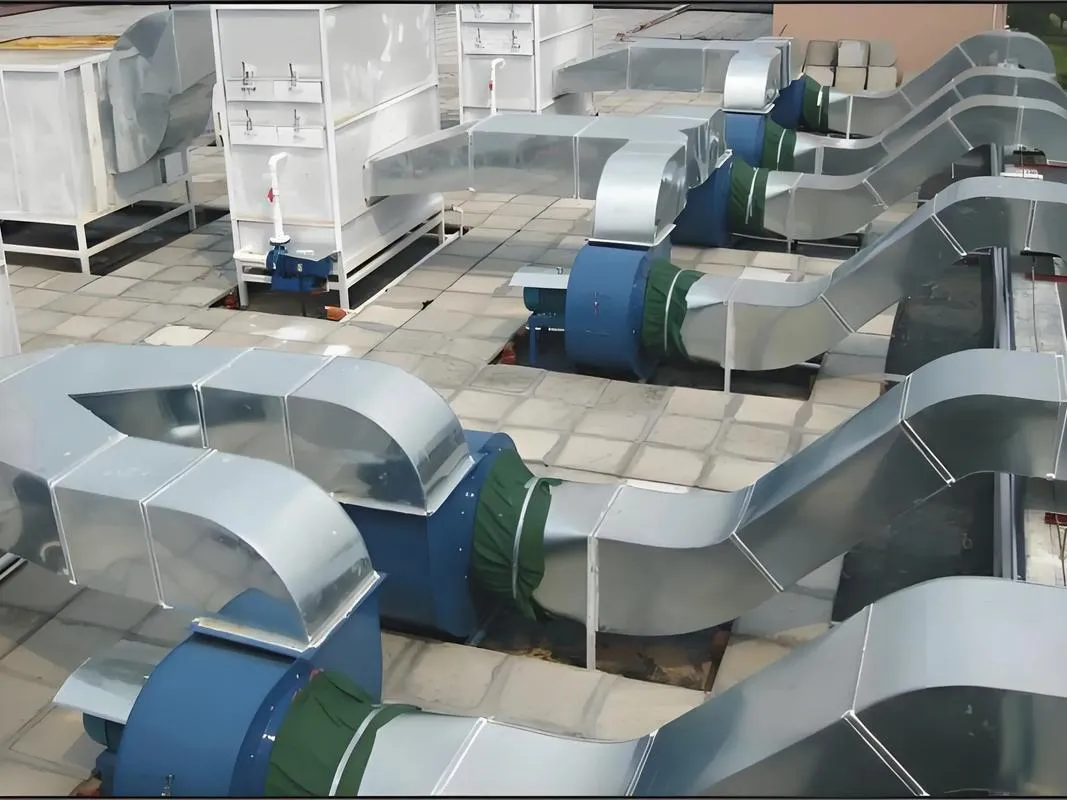
What Are HVAC Sealing & Insulation Systems?
HVAC Sealing & Insulation refers to a complete set of thermal protection and air-sealing materials designed for ductwork, air handlers, chiller pipes, and ventilation equipment. The sealing series focuses on closing gaps, cracks, and flange joints to achieve airtight and watertight performance, while the insulation series provides thermal resistance layers to block heat transfer and condensation formation. Combined with vapor barrier protection, they form a dual-protection system that stabilizes HVAC operating efficiency in both hot and cold seasons.
Unlike single-function building materials, professional HVAC-grade sealing and insulation products feature low thermal conductivity, high airtightness, flame retardancy, vibration resistance, and anti-aging properties. Fully compliant with international SMACNA, ASTM, and local building energy codes, they are standard configurations for high-quality commercial, industrial, and cleanroom HVAC projects.
Main Product Categories & Core Functions
-
Duct Sealing Accessories Including aluminum foil tape, fire-resistant duct tape, acrylic sealant, and flange foam gaskets. These materials tightly seal duct seams, connection gaps, and component interfaces. They eliminate air leakage of cold and hot air, prevent unbalanced indoor air volume, and block external dust and moisture from entering the duct interior. High-elasticity foam gaskets also absorb assembly gaps and reduce vibration noise between metal components.
-
Thermal Insulation Materials Covering rubber foam insulation, fiberglass duct wrap, rigid polyurethane board, and spray foam insulation. With low thermal conductivity and stable R-value performance, these materials wrap ducts and pipes completely to block external heat exchange. They prevent cold loss in cooling systems and heat loss in heating systems, greatly reducing HVAC load and energy waste.
-
Vapor Barrier & Moisture-Proof Layers Foil-faced vapor barrier rolls and waterproof isolation films are applied on the outer layer of insulation materials. They effectively isolate humid air penetration, avoid condensation water accumulation inside insulation layers, and prevent mold growth, insulation failure, and pipeline corrosion caused by long-term moisture absorption.
-
Special Fire-Rated Insulation & Sealing Fire-retardant and self-extinguishing insulation tapes and sealants are designed for public buildings and high-standard fireproof projects. They stop flame spread along duct surfaces, meet fire safety codes, and ensure building fire protection compliance.
Key Engineering Benefits of Professional Sealing & Insulation
-
Significantly Reduce HVAC Energy Consumption Unsealed ducts cause massive conditioned air escape and thermal loss. Complete sealing eliminates air leakage, while full-wrap insulation minimizes heat transfer. Verified by industry data, standardized sealing and insulation can reduce building HVAC energy consumption by 15–25%, delivering long-term energy-saving benefits for property owners.
-
Eliminate Condensation & Mold Risks Uninsulated cold ducts easily form condensation in humid environments, leading to dripping water, damp insulation, and mold breeding. Integrated insulation and vapor barrier systems stabilize surface temperature, prevent condensation formation, and keep duct interiors clean and dry, improving indoor air quality.
-
Stabilize Air Volume & Temperature Balance Air leakage often causes insufficient air supply, uneven room temperature, and poor cooling/heating effect. Tight sealing ensures accurate air volume delivery to each zone, maintaining stable system static pressure and consistent indoor comfort.
-
Reduce Vibration & Background Noise Soft foam sealing and insulation layers buffer metal collision and airflow vibration. They weaken duct resonance and wind noise, realizing quieter HVAC operation suitable for high-comfort environments.
-
Protect Duct System & Extend Service Life Insulation layers isolate ducts from extreme ambient temperature and humid corrosion. Sealing materials prevent dust and moisture intrusion, protecting metal ductwork from rust and aging, reducing maintenance frequency, and extending the overall system lifespan.
-
Full Code Compliance All materials meet international fire resistance, energy-saving, and airtightness standards. They help projects pass energy-saving acceptance, fire inspection, and HVAC system performance testing without compliance risks.
Typical Application Scenarios
1. Commercial Building Central HVAC Systems
Office buildings, hotels, shopping malls, and apartments feature large-area hidden ceiling ducts and long pipeline layouts. Complete sealing and insulation construction eliminates air leakage and thermal loss, stabilizes indoor constant temperature, reduces central air conditioning operating load, and lowers long-term building energy bills.
2. Cleanroom & Laboratory Ventilation Projects
Dust-free workshops, pharmaceutical cleanrooms, and scientific laboratories require ultra-high air tightness and cleanliness. Professional sealing materials prevent unfiltered air infiltration, while moisture-proof insulation avoids mold and bacteria growth inside ducts, meeting strict purification and hygienic standards.
3. Industrial Plant Ventilation & Process Cooling
Factory exhaust, dust removal, and process cooling ducts operate in high-temperature, humid, and corrosive environments. High-strength anti-aging sealing and insulation materials adapt to harsh industrial conditions, ensuring stable ventilation efficiency and protecting pipeline equipment from corrosion failure.
4. Low-Temperature Cold Storage & Refrigeration Systems
Cold storage and freezing warehouse cooling pipelines are extremely sensitive to heat infiltration. Thickened insulation and airtight sealing prevent cold loss and condensation dripping, ensuring stable low-temperature operation and reducing refrigeration unit running time and power consumption.
5. Old Building HVAC Energy-Saving Renovation
Most old buildings suffer from aging duct sealing, damaged insulation layers, and serious energy waste. Upgrading professional sealing and insulation packages is a low-cost, high-return renovation solution to quickly improve system efficiency and indoor comfort without large-scale duct reconstruction.
Common Problems Caused by Poor Sealing & Insulation
-
High Energy Waste: Severe air leakage and thermal loss increase long-term operational costs
-
Condensation Dripping & Ceiling Damage: Uninsulated cold ducts produce dripping water, damaging ceilings and decoration
-
Mold & Dust Accumulation: Moist insulation layers breed bacteria and pollute indoor air quality
-
Unstable Temperature & Poor Comfort: Insufficient air supply and uneven room temperature
-
Increased System Noise: Vibration and airflow resonance amplify indoor background noise
-
Shortened Duct Service Life: Humidity and corrosion accelerate duct rust and aging
Why Choose Our HVAC Sealing & Insulation Solutions?
-
Full-System Product Coverage: Complete tapes, sealants, gaskets, insulation wraps and vapor barriers
-
Low Thermal Conductivity & High R-Value: Excellent thermal isolation and energy-saving performance
-
Superior Airtight & Moisture-Proof Performance: Effectively stop air leakage and condensation problems
-
Fire-Rated & Anti-Aging: Flame retardant, durable, and suitable for long-term operation
-
Vibration & Noise Reduction: Dual functions of thermal insulation and sound absorption
-
Code-Compliant & Easy Installation: Meet international HVAC energy-saving and fire standards
-
Bulk Export Support: Stable supply and complete certification documents for global projects
Final Thoughts
Sealing and insulation are the most cost-effective upgrade for any HVAC ventilation system. Beyond basic thermal protection and air sealing, they optimize energy efficiency, stabilize indoor comfort, prevent condensation and mold, and extend the full lifecycle of ductwork and equipment. For all commercial, industrial, and cleanroom HVAC projects, standardized high-quality sealing and insulation systems are indispensable core configurations for energy-saving, safe, and high-quality building operation.